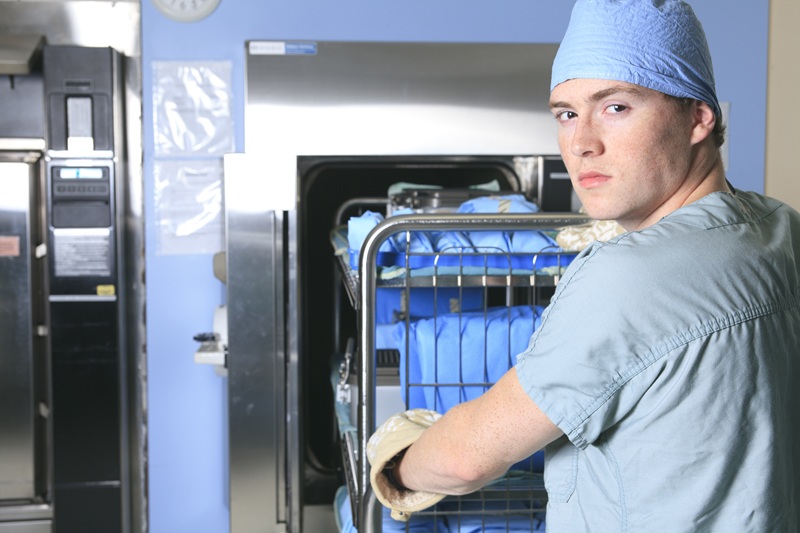
Endoscope drying cabinets are used as part of the endoscope decontamination process. Once an endoscope has been cleaned and disinfected, it needs to be kept in a suitable environment while any remaining moisture is removed. These cabinets provide a clean space for storing endoscopes while they dry, ready for their next use.
They are different from a washer disinfector or steriliser. The cabinet is not there to clean or disinfect the endoscope. Its role comes afterwards, helping keep processed endoscopes in a controlled environment while they dry. It may sound like a small part of the process, though moisture left inside an endoscope can become a problem if it is not dealt with properly.
Why Endoscope Drying Cabinets are used
Drying is a key part of endoscope processing. Endoscopes contain internal channels, also called lumens, which can retain moisture after cleaning. The drying cabinet provides a dedicated place for these instruments to remain while the drying process takes place, rather than leaving them in an open area where they could be exposed to contamination.
Endoscope drying cabinets play an important role in several areas of endoscope processing:
- Clean storage: Endoscopes are kept in a clean environment after processing while they dry
- Moisture removal: Drying helps remove moisture that remains within the endoscope after cleaning
- Testing: The cabinet itself needs periodic testing to make sure it continues to perform as required
The equipment may look fairly simple but there is more going on inside the cabinet. Air flow, filtration and other operating conditions need to be checked as part of the testing process. A cabinet can still switch on normally even when one of these areas is not performing as it should.
Training at AVM
AVM Services provides specialist training for Decontamination Engineers working with endoscope drying cabinets. Our Endoscope Drying Cabinets Periodic Testing course (ENG20), is designed for engineers and endoscopy staff who need to gain knowledge and experience in periodic testing in accordance with the latest standards.
The course covers testing and validation procedures. Delegates can learn about current standards and legislation, periodic test requirements, acceptance criteria and the completion of test records. There is also practical work involved, with equipment such as air flow meters, particle counters, wireless loggers and pressure calibrators used during testing. The course runs for one full day and is available at a location of your choice for up to four candidates. Successful attendees receive a City & Guilds certificate.